Best Callus Removal Methods for Smooth, Pain-Free Feet
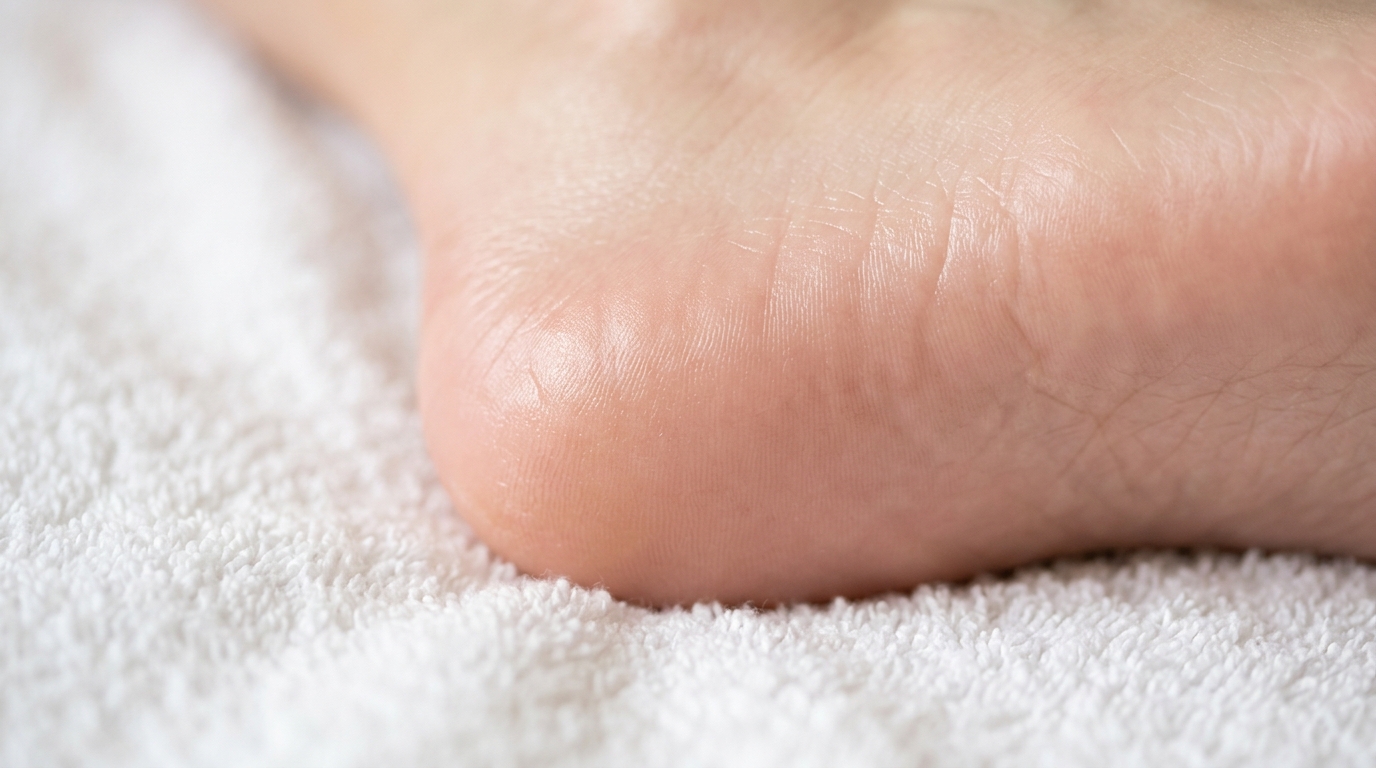
Calluses are thickened patches of skin that form on feet in response to repeated friction or pressure. While they serve a protective purpose, overgrown calluses can become painful and difficult to remove without the right approach. The method you choose matters — using the wrong technique can cause cracking, infection, or rapid regrowth.
This guide covers every proven callus removal method, ranked by effectiveness, with specific guidance on concentrations, timing, and when home treatment is not enough.
What Actually Causes Calluses (And Why Removal Often Fails)
Calluses form when the skin's keratinocytes multiply rapidly in response to mechanical stress. The body interprets repeated friction as damage and creates a protective keratin barrier. This is why simply scraping the surface does not solve the problem — if the underlying pressure source is not addressed, the callus rebuilds within weeks.
Common causes include ill-fitting footwear, high-impact activities (running, hiking), foot deformities like bunions or hammertoes, and walking barefoot on hard surfaces. People with diabetes develop calluses at higher rates due to altered pressure distribution from nerve damage.
Method 1: Pumice Stone — The Most Widely Used Approach
Pumice stone is formed from volcanic rock with a naturally porous, abrasive surface. It remains the most widely recommended at-home callus removal tool by both dermatologists and podiatrists for mild-to-moderate calluses.
How to use it correctly:
- Soak the affected foot in warm water for 10-15 minutes to soften the skin
- Wet the pumice stone and rub in gentle circular or back-and-forth motions
- Work for 2-3 minutes maximum per session — aggressive scrubbing causes micro-tears
- Apply a thick urea-based moisturizer immediately after
- Use 2-3 times per week, not daily
What most guides do not tell you: Pumice stones are porous and trap dead skin cells and moisture, creating a breeding ground for bacteria and fungi. Rinse thoroughly after every use, allow to dry completely, and replace every 3-4 months. Never share a pumice stone.
Method 2: Salicylic Acid — The Fastest Chemical Option
Salicylic acid is a beta-hydroxy acid (BHA) that dissolves the protein bonds holding dead skin cells together — a process called keratolysis. It is available over-the-counter in concentrations from 12% to 40%.
Concentration guide:
- 12-17%: Mild calluses, gentle enough for near-daily use
- 20-25%: Moderate calluses, use 2-3 times weekly
- 40%: Stubborn, thick calluses only — use no more than once weekly, protect surrounding healthy skin with petroleum jelly before applying
Apply to the callus only, cover with a bandage, leave for 8-12 hours, then soak and gently rub off softened skin. Results typically appear in 1-2 weeks with consistent use. People with diabetes should avoid salicylic acid entirely — it can cause skin breakdown and ulceration.
Method 3: Urea Cream — The Gentlest Daily Option
Urea is a naturally occurring compound in skin that attracts and retains moisture while gently dissolving dead skin cells at higher concentrations. Unlike salicylic acid, urea creams are suitable for daily use and will not irritate surrounding healthy skin.
Concentration guide:
- 10-20% urea: Daily maintenance moisturizer for rough, thickened skin
- 30-40% urea: Active treatment for moderate to severe calluses — apply nightly under a sock
- 50% urea: Prescription-strength; used by podiatrists for very thick calluses
Urea at 40% has been shown in clinical studies to reduce callus thickness significantly after 2 weeks of nightly application. It is the preferred option for people who want a no-scrubbing, low-effort approach.
Method 4: Electric Callus Removers
Battery-powered or rechargeable electric callus removers use a rotating abrasive roller to sand down callused skin. They work faster than pumice stones and require less physical effort.
Advantages: More consistent abrasion, easier to use for people with limited hand strength, often includes multiple roller heads for different callus severity levels.
Disadvantages: Can over-remove skin if used too aggressively — it is easy to go too far and create soreness or raw spots. Not suitable for cracked or bleeding heels. Requires battery replacement or charging.
Best practice: Use the coarser roller head for 30-60 seconds per area maximum. Finish with moisturizer. Use once weekly for maintenance.
Method 5: Foot Files and Callus Shavers
Metal foot files with fine abrasive surfaces are similar to pumice stones but more durable and easier to clean. They work well for hard-to-reach areas between toes.
Callus shavers (also called credo blades) are small, single-edged blade tools that shave off layers of callus. Warning: The American Podiatric Medical Association advises against using callus shavers at home due to the risk of cutting too deep, causing bleeding, and creating open wounds susceptible to infection. This risk is significantly higher in people with diabetes or poor circulation.
When to See a Podiatrist Instead
Home treatment is not appropriate in every situation. See a podiatrist if:
- The callus is painful when walking, even with cushioning
- The skin appears discolored, red, or has fluid beneath it (possible bursitis)
- You have diabetes, peripheral neuropathy, or poor circulation — calluses in these cases can develop into foot ulcers, which are a leading cause of lower-limb amputation
- Home treatment has not produced improvement after 3-4 weeks
- The callus returns rapidly after removal (could indicate an underlying structural problem)
Podiatrists can debride calluses with sterile instruments, prescribe stronger topical treatments, and recommend custom orthotics to redistribute foot pressure and prevent recurrence.
Prevention: Stopping Calluses Before They Form
The most overlooked aspect of callus management is addressing the root cause. Removal without prevention leads to a cycle of regrowth every 4-6 weeks.
- Wear properly fitted shoes with adequate toe box width
- Use moisture-wicking socks and change them daily
- Apply a urea-based foot cream nightly as preventive maintenance
- Use cushioned insoles or gel pads over pressure points
- If you run or exercise frequently, get your gait analyzed — abnormal gait mechanics are a common driver of recurring calluses
Frequently Asked Questions
Can you remove a callus completely in one session?
No. Calluses build up over weeks or months, and safe removal requires multiple sessions. Attempting to remove a callus completely in one go risks breaking the skin, causing pain, and increasing infection risk. Plan for 2-4 weeks of consistent treatment.
Is it safe to cut a callus with scissors or a razor?
No. Cutting calluses at home with any blade is unsafe and not recommended by dermatologists or podiatrists. It removes more than intended, creates open wounds, and can introduce bacteria. Stick to abrasives and chemical exfoliants.
Does putting Vaseline on a callus help?
Vaseline (petroleum jelly) occludes the skin and prevents moisture loss, which softens calluses over time when applied overnight under a sock. It does not actively remove the callus but makes it more pliable and easier to buff away. It is best used as a complement to urea cream rather than a standalone treatment.
How long does callus removal take?
With consistent use of salicylic acid or urea cream plus mechanical exfoliation, most mild-to-moderate calluses improve noticeably within 2 weeks. Thick or long-standing calluses may take 4-6 weeks of diligent treatment.
Callus care is part of a broader personal hygiene and body care routine. You may also want to read our guide on personal hygiene best practices for a complete approach to body cleanliness and comfort. Additionally, exploring lymphatic drainage techniques can improve foot and leg circulation, which helps prevent callus-forming pressure points.
Can calluses come back after removal?
Yes — calluses return if the source of friction or pressure is not addressed. Removing the callus without correcting footwear fit, gait abnormalities, or activity patterns results in regrowth within 4-6 weeks for most people.


Comments
Post a Comment